The global reference for hospitality.
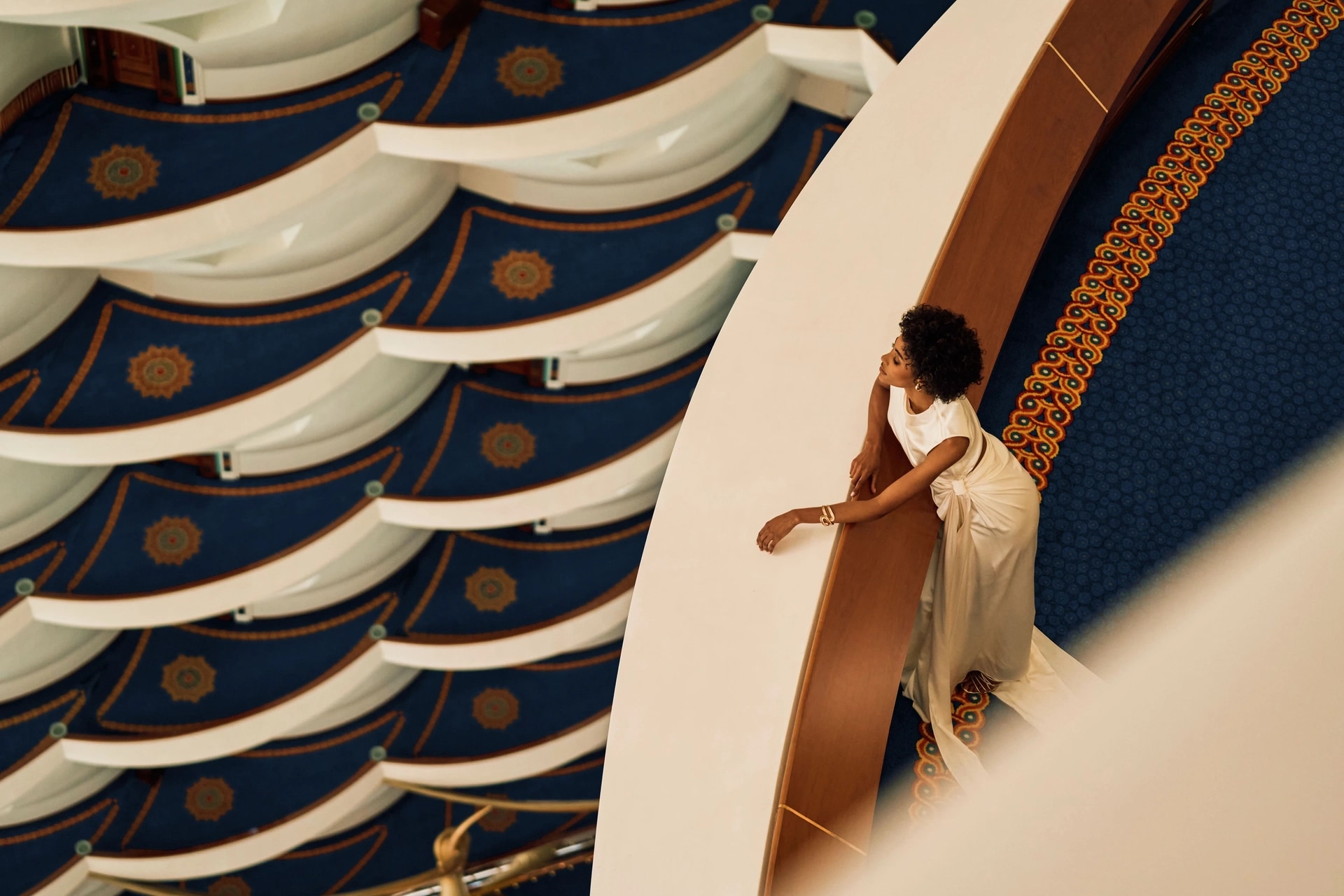
Burj Al Arab Jumeirah
Dubai · United Arab Emirates
Ultra-Luxury Hotels in Dubai

Photo: Official website · jumeirah.com
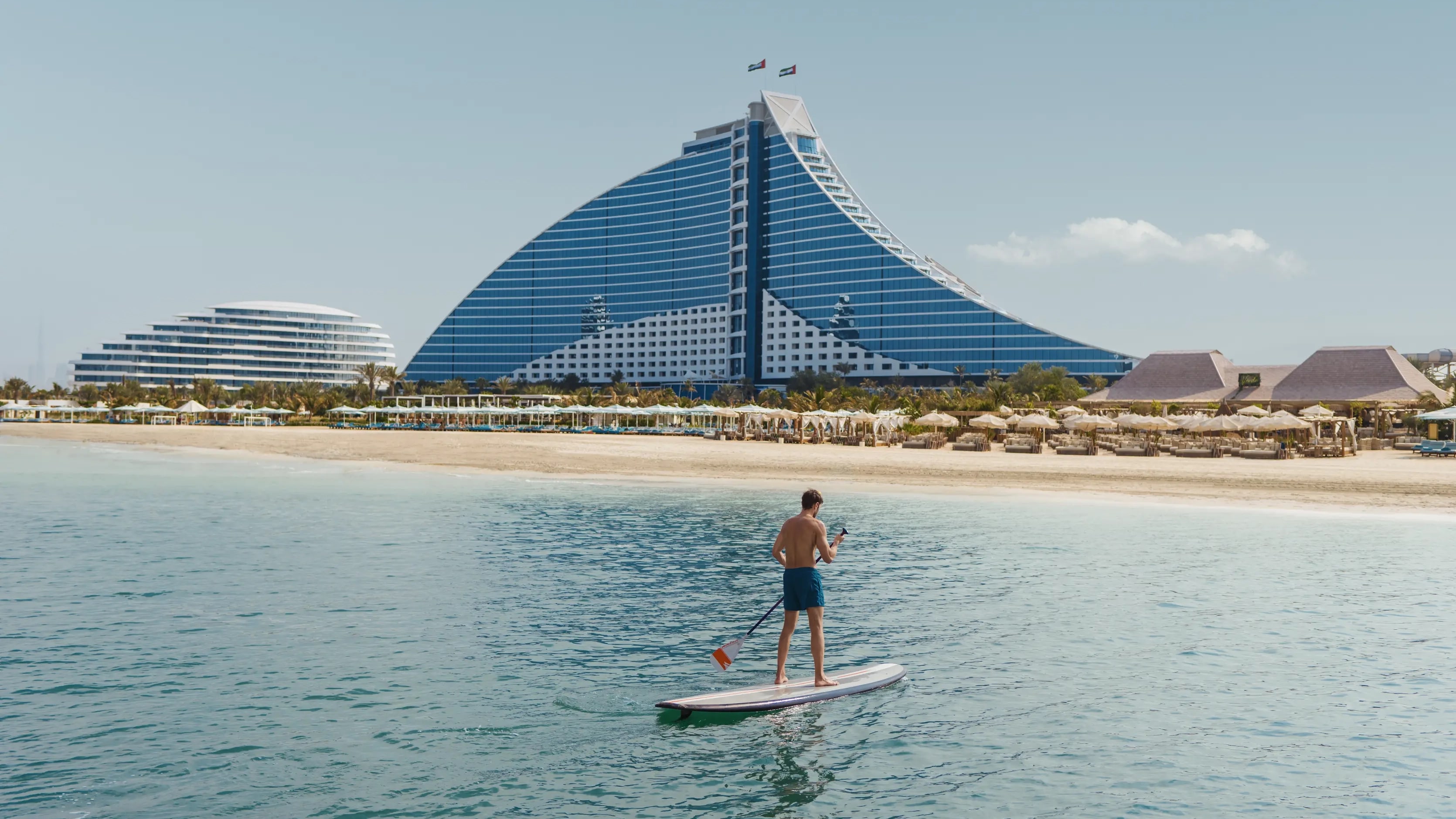
Dubai's defining hotel landmark, a sail-shaped tower on an artificial island that helped establish the city as an international luxury destination. Its duplex suites, theatrical interiors and highly personalised service represent hospitality conceived at the scale of a national statement.
The Story
Origin
Opened in 1999, Burj Al Arab was developed as a landmark for Dubai's emerging luxury tourism economy. Its offshore location and unmistakable silhouette made the hotel a symbol of the city as well as a place to stay.
Philosophy
An interpretation of luxury centred on scale, ceremony, privacy and anticipatory service.
Why Important
A foundational reference for Dubai's luxury positioning and for the use of hotel architecture as destination branding.
Differentiation
Few hotels are so closely identified with the image of their host city. Its artificial-island setting and sail-shaped structure give it an identity independent of changing hospitality fashions.
Food Philosophy
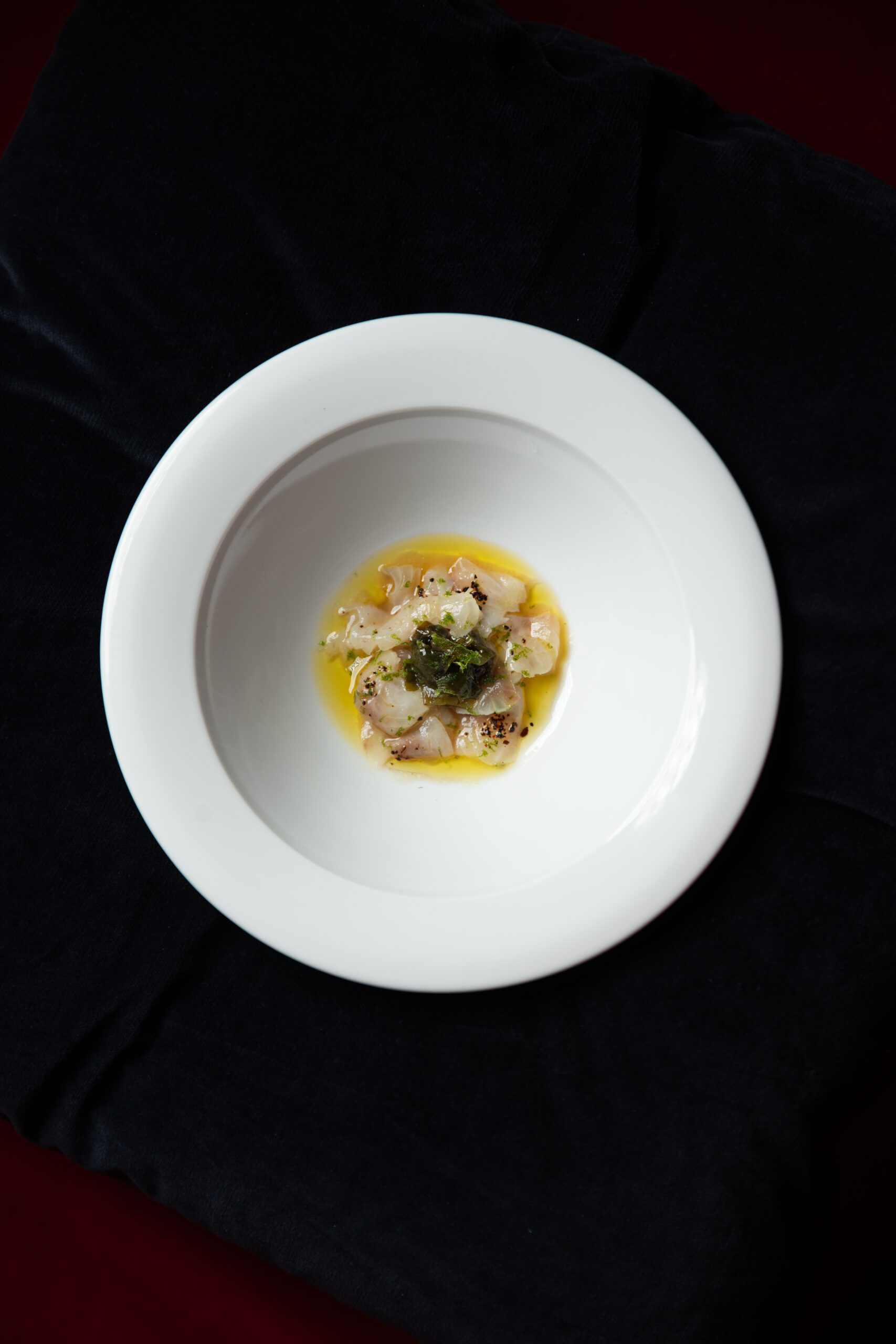
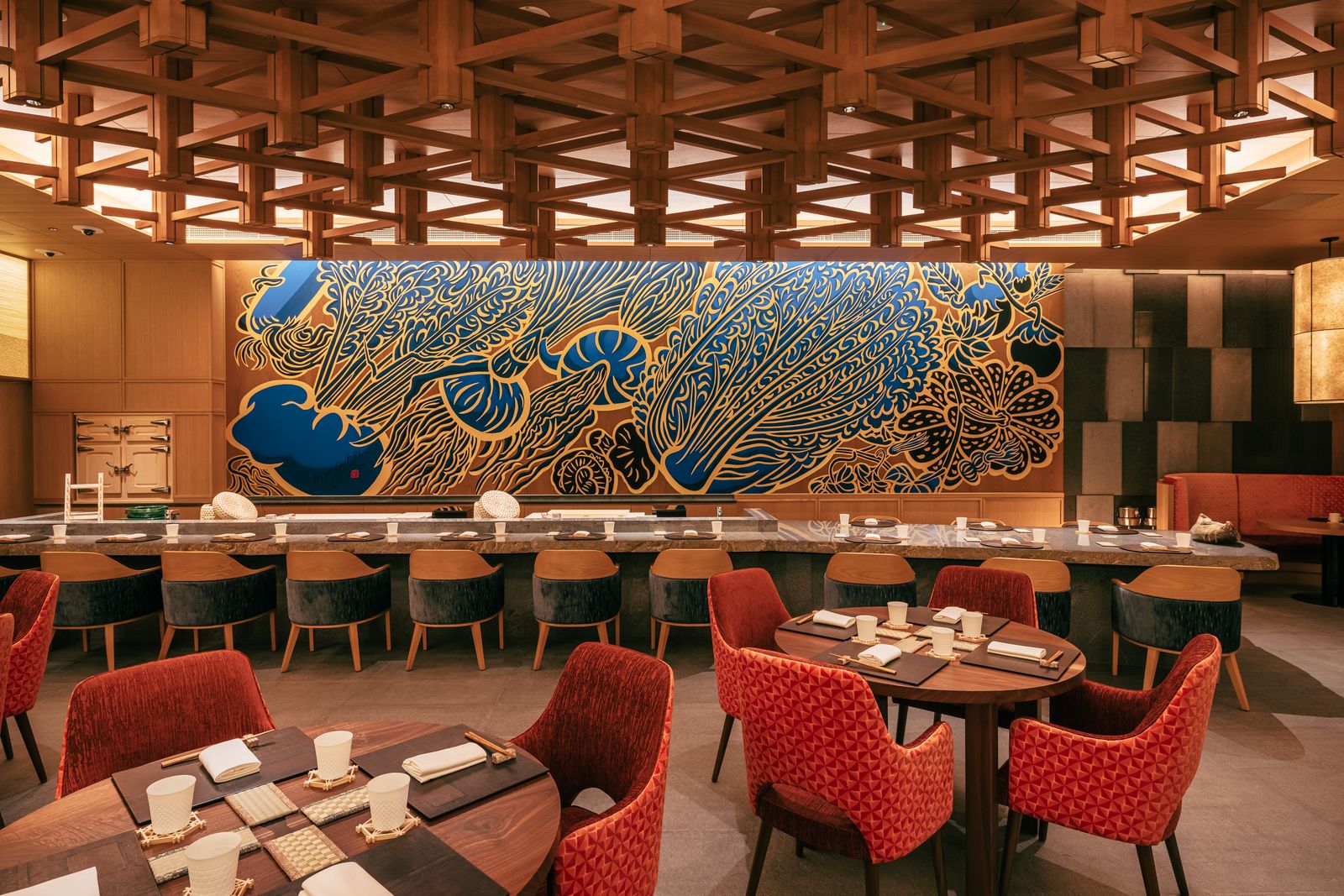
Dining operates as a collection of destination experiences rather than a single culinary proposition, with distinctive settings playing an important role alongside the food.
Guest Experience
Duplex suites, butler service, destination restaurants, a spa and an expansive sea-facing leisure terrace create a largely self-contained stay.
Design Philosophy
Combine a instantly recognisable exterior with interiors that make arrival and movement through the hotel feel ceremonial.
Design & Architecture
Lighting
Daylight enters through the atrium's translucent facade, while decorative lighting reinforces the ceremonial character of public spaces.
Furniture
Lavish upholstered seating and substantial decorative furnishings complement the architectural scale.
Materials
Marble, gold leaf, decorative mosaics and richly textured fabrics.
Architecture
Tom Wright's sail-shaped tower stands on an artificial island connected to the mainland by a bridge. A soaring atrium gives the interior a scale comparable to its exterior.
Design Language
Monumental architecture paired with richly decorative, theatrical interiors.
Interior Design
Khuan Chew's interiors use saturated colour, elaborate pattern and gilded detailing to construct a deliberately opulent environment.